

Pet parents need cities to do more to keep pets and families together. In Nashville, a pet-friendly hub is setting an example

(This story was produced by Bagable.com with sponsorship from Mars. Bagable.com maintained full editorial control)

Pet ownership in the US is being rapidly transformed by millennials and Gen Z. The two youngest adult generations are rejecting the conventional approach to pets as “companions” and are raising their fur babies as they would actual children.
Not only are these pet parents increasingly prioritizing their pets’ comfort alongside their own, but they also increasingly expect businesses, services, and municipalities to support a lifestyle where pets are seamlessly integrated into daily life.
Nashville urban oasis lets the dogs out
In the US, a robust pet parents’ population is pushing cities to reexamine — and improve — their approach to pet residents.
It’s happening in Nashville, Tennessee in a community complex called Nashville Yards that deliberately placed pets — specifically dogs — at the center of its development.
Smack in the heart of downtown Nashville, Nashville Yards is a 19-acre mixed residential and commercial complex that includes hotels, commercial and luxury residential (condominium and rental) towers anchored by Amazon AMZN 0.00%↑, indoor and outdoor live music and event venues, several restaurants, dozens of stores, a school, movie theater and more than seven acres of open plazas, courtyards, and green spaces.
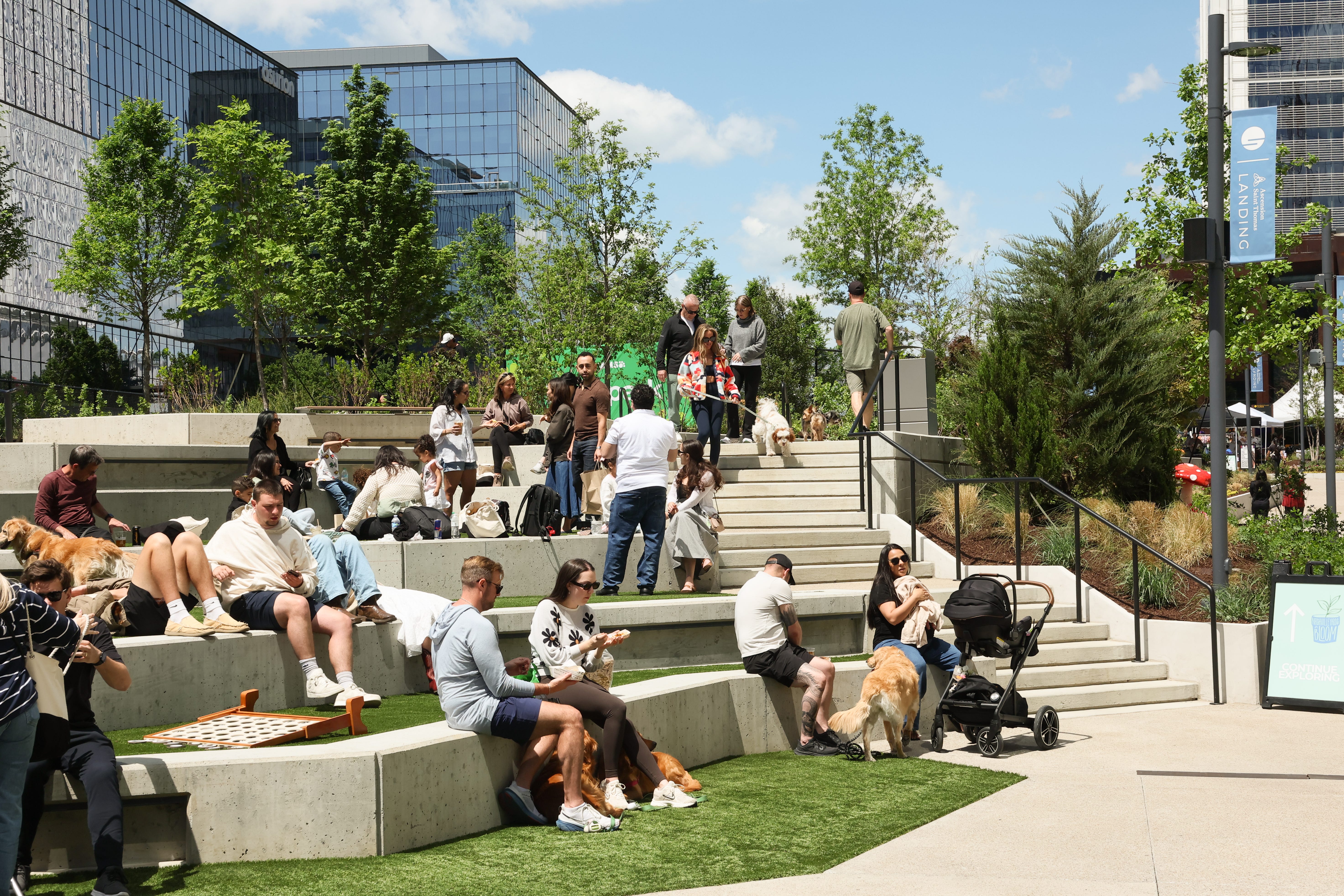
Most importantly, for several of the city’s residents, Nashville Yards is completely dog friendly. “The entirety of the campus and its common areas, patio spaces and pedestrian walkways, dining and entertainment spaces are pet friendly,” Christian Parker, chief operating officer of Nashville Yards, said in an interview with Bagable.com.
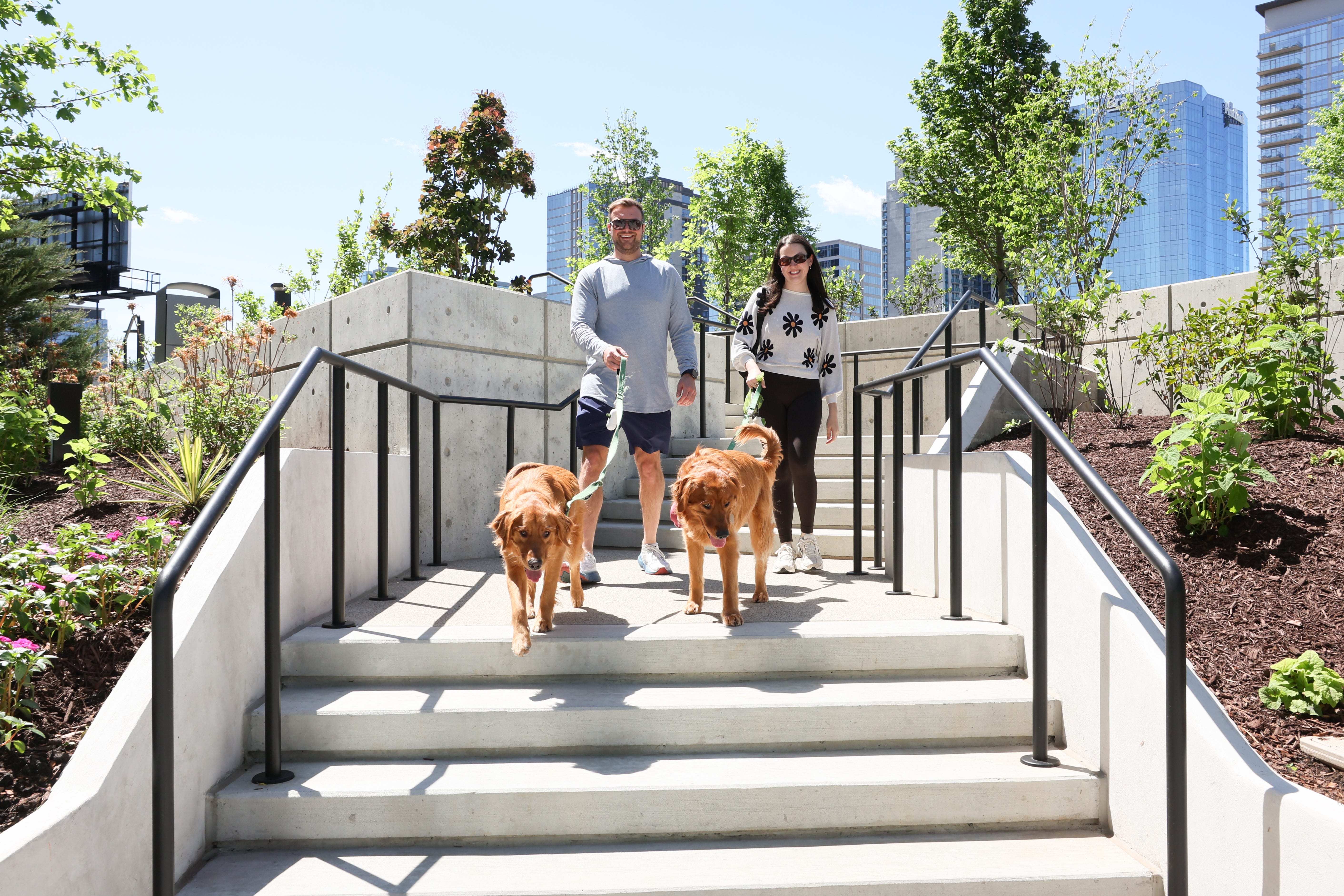
Built in and around the complex are four dog parks for residents and visitors. The twin Amazon Towers in Nashville Yards offer a 5,000-square-foot-park to be enjoyed by Amazon employees’ pets, while both residential buildings there have rooftop dog parks, pet exercise areas connected to lounges for their parents, and dog wash stations.
“We hear every day through our brokers, realtors and leasing agents that aside from location, pet accessibility and pet amenities are the most important attributes for employees who work here, and residents seeking to move here,” said Parker.
“We’ve selfishly prioritized pets from the beginning because we know it’s a differentiator for us. Had we not done it, we would have eventually been forced to do it because pet parents, both GenZers and empty nesters, are our core demographic,” Parker said, adding that more than 50% of the residents at Nashville Yards own a pet.
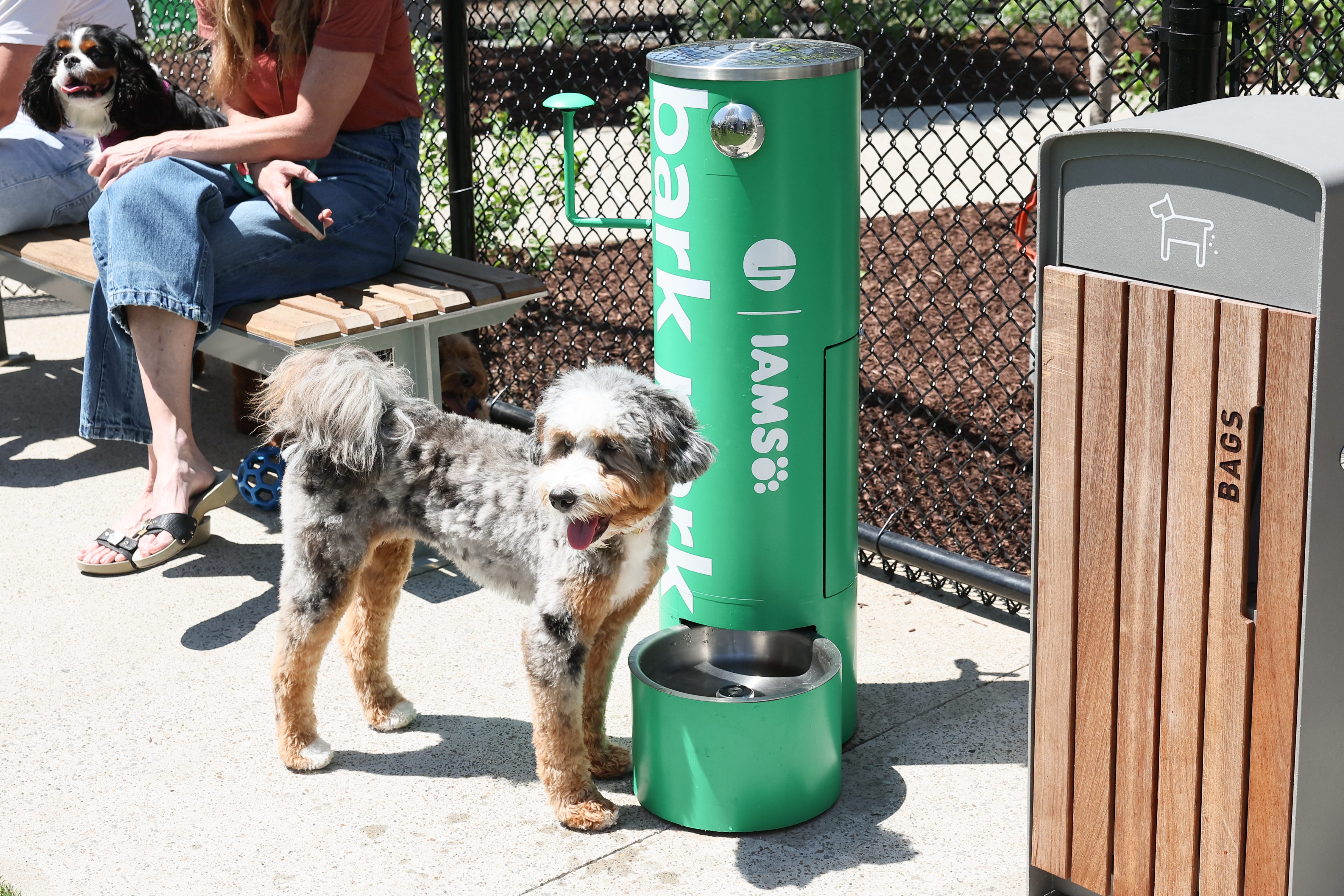
One standout space for pets at Nashville Yards is the IAMS Bark Park that was co-developed with Mars Petcare — a division of Mars Inc. focused on pet nutrition with brands such as Pedigree, IAMS, Whiskas and Greenies, pet health, and other services — and its BETTER CITIES FOR PETS program.
Mars Petcare, based south of Nashville in Franklin, Tennessee, launched the BETTER CITIES FOR PETS program in 2017 and envisioned it as a global initiative with the goal of facilitating more green and pet-accessible spaces around the country, and worldwide.
The IAMS Bark Park officially opened to dogs and their pet parents in early April as a multi-year, multi-faceted effort co-created by Mars (and operated by Nashville Yards) to remove barriers to advancing pet-friendly public-private urban spaces.
The partnership with Nashville Yards aims to create a blueprint for pet-ready places that developers can replicate in multiple neighborhoods, said Lindsay Kordik, senior director of external affairs at Mars Pet Nutrition (North America).
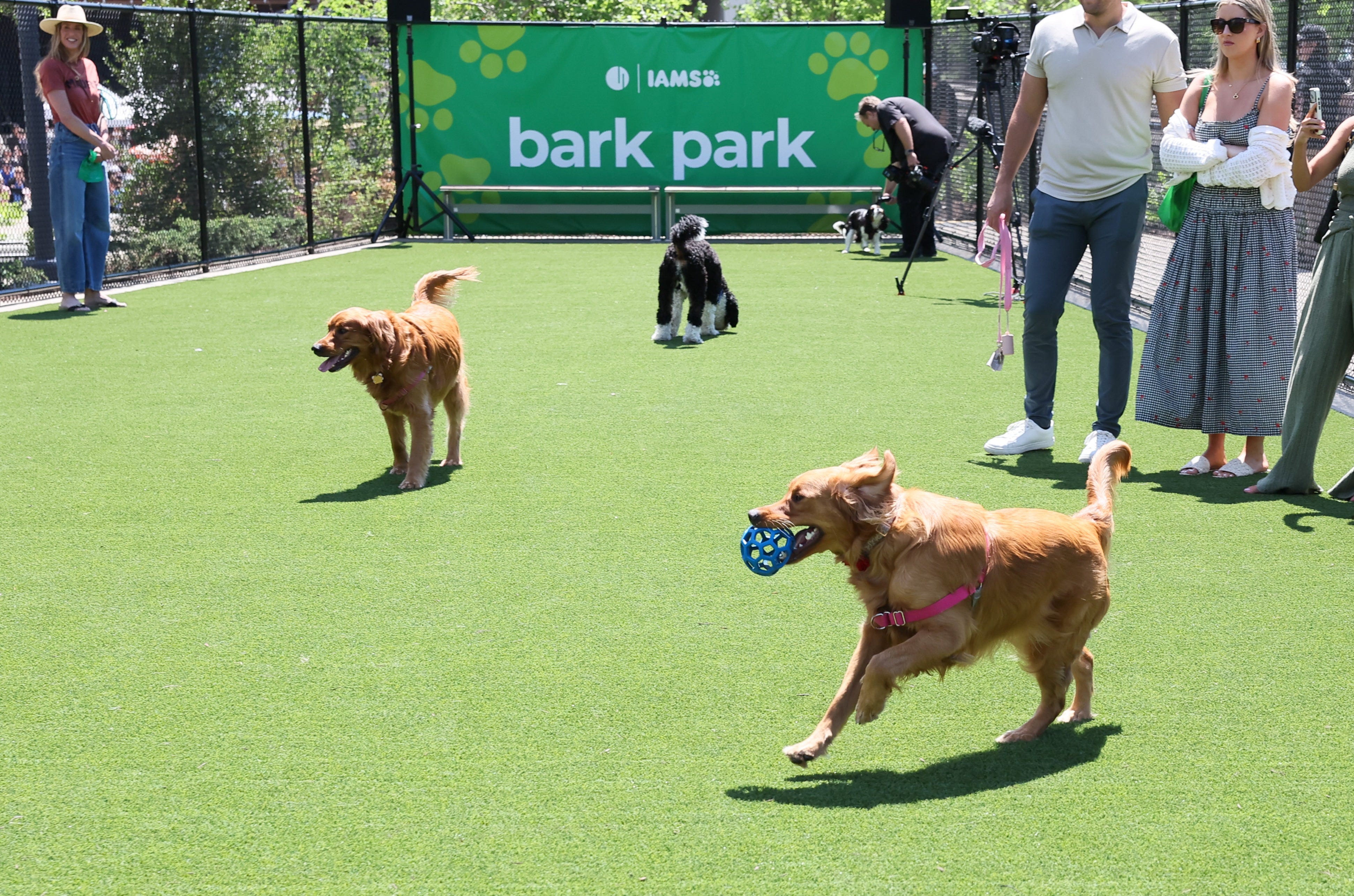
She noted that recent data shows just 40% of urban pet parents consider their neighborhoods to be pet friendly. “To help close this gap, through BETTER CITIES FOR PETS, we are supporting infrastructure that helps make cities more pet inclusive – from grants to partnerships that expand pet accessibility in urban communities,” she said.
Kordik said the ultimate goal is to ensure that as pet ownership continues to grow, local communities are equipped to support responsible pet ownership and foster the powerful role pets play in strengthening community bonds and enhancing city life. Nashville Mayor Freddie O’Connell is on board with making his city even more welcoming to residents of the four-legged variety.
“We have more dogs living downtown today than we had people living downtown 25 years ago,” he said. “I’m proud that Nashville is a BETTER CITIES FOR PETS city. We’ve been intentional about creating pet-inclusive spaces. The partnership at Nashville Yards and the addition of the IAMS Bark Park are great examples of exactly the kind of thoughtful, accessible green space our city needs to ensure Nashville remains a great place for both people and their pets.”
Rising demand for pet-first amenities
It’s a trend that Phillip Cooper, a veteran pet industry consultant and president of Pet Industry Expert, has tracked and anticipates will become even more prominent.
Pet parents today, more than ever before, want to easily share their daily lives — be it going to their favorite cafe, restaurant, bar, neighborhood park, shopping mall, on an airplane or to a hotel on vacation —with their fur baby.
“Millennials have really outspent any other group on their pets in this regard. Money is no object when it comes to their pets. They want them to live long and comfortably,” Cooper said in an interview with Bagable.com.
“Coincidentally, I also sell a do-it-yourself dog wash system called iClean Dog Wash. We started selling the system to stores who’ve added them in their space and charge people to use it,” said Cooper. “Now we’re supplying it to large apartment complexes, too. We’ve sold it to laundromats who’ve added our self-service dog wash as a much-wanted amenity for neighborhood residents.”
Several residential developers in the US, he said, are considering adding self-service dog washes paired with vending machines dispensing pet supplies, in their car parks. “Pet owners are demanding these conveniences,” he said.
The United States has cemented itself as a pet-friendly nation.
Some 95 million American households owned at least one pet in 2025, up 9% from 2023, according to the latest annual report from the American Pet Products Association. More than half of US households own a dog, and 53 million households in the country own a cat.
Overall spending on pets—food, veterinary care, accessories, vitamins, travel and other services and products—reached $158 billion last year (up 3.7% from the previous year) and is projected to jump to $165 billion in 2026.
Ultimately, as the multi-billion-dollar pet industry continues to boom, the definition of a modern “luxury amenity” is fundamentally shifting.
Millennials and GenZers are no longer willing to settle for urban workarounds, restrictive housing, or leaving their dogs behind. As developments like Nashville Yards and initiatives like Mars’ BETTER CITIES FOR PETS are proving, the future of urban living isn’t restricted anymore to making small accommodations for pets. It’s about actively designing communities from the ground up to keep pets and their families together, everywhere they go.
More stories:


