

GLP-1 usage could knock out some clothing sizes from the market. Expect it with bras

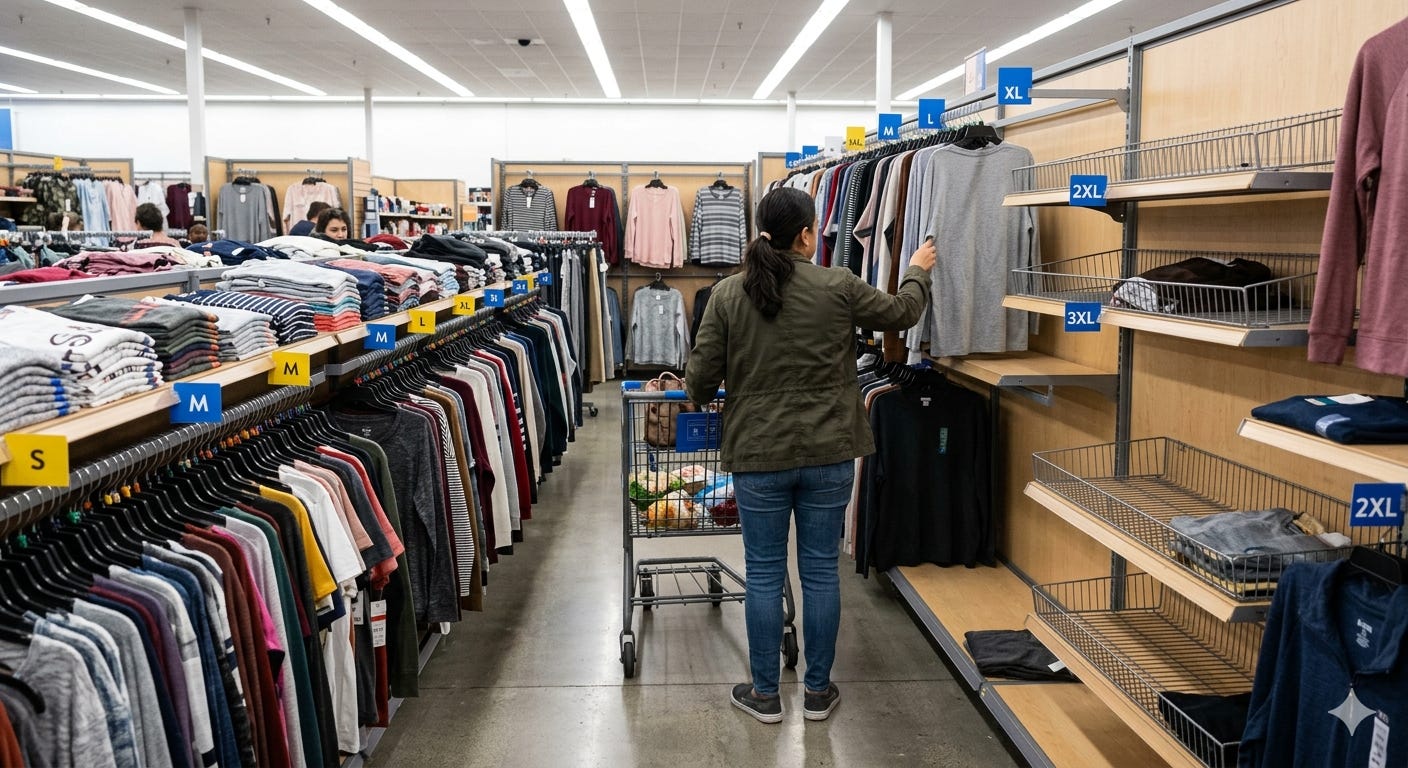
As GLP-1s usage expands among US households, consumers shopping for clothes could start to notice some size options that were previously available — and on the larger side — no longer being stocked by retailers.
Industry watchers expect to see the earliest impact of this downshift in clothing sizes in categories such as intimate apparel, according to a new report on Monday from market research firm Circana.
“With GLP-1 adoption accelerating, size is changing, but so is identity,” said Kristen Classi-Zummo, apparel industry advisor with Circana, said in the report. “As consumers rebuild their wardrobes, they’re reassessing what fits, what flatters, and what feels aligned with their lifestyle. Brands that plan for both the physical and emotional elements will lead. This isn’t a trend — it’s a structural change for the apparel industry.”

Nearly a quarter (23%) of US households are now using GLP-1 weight loss medications, according to a separate Circana report, which stated that new patient prescriptions for GLP-1 medications increased by 2.9 million, or 16%, from September 2024 to September 2025. “Although there is no ‘typical’ user, GLP-1 patients are more likely to be in the Gen X age demographic and come from households with incomes over $100,000,” the report said.
As millions of consumers using GLP-1s experience changes in body size and lifestyle habits, Circana said the apparel market is entering a period that will be defined by what it calls the “Body Transformation Economy.”
Among the early changes in buying behavior, Circana found that 55% of active GLP-1 users have bought new clothes or footwear because of changing sizes, while one-in-four updated their wardrobes to refresh their appearance.

Intimate apparel, specifically, could present the earliest indicator of a demand-driven sizing shift triggered by GLP-1 usage.
In bras, larger band (42+) and cup (D) sizes are losing share, while mid‑range or smaller sizes — including band size 40 and B and C cups — are gaining share, the report said, adding that “these micro‑movements may represent the leading edge of broader fit changes that brands will need to address in size curves, inventory planning, and fit model strategies.”

Footwear also stands to benefit from GLP-1 usage, said Beth Goldstein, Circana’s footwear industry advisor. “Any wardrobe refresh creates a meaningful opportunity for footwear. Shoe sizes may change, and as consumers embrace healthier lifestyles and feel more confident in how they look, both athletic and fashion footwear stand to benefit.”