

Halloween candy isn't waiting for Halloween anymore

We don’t need to wait for “Summerween,” or Halloween, to shamelessly gorge on candy. We’re apparently leveraging the sweet thrill of confectionery as a social catalyst whenever we want, and candymakers love it.
“Consumers are using the candy bowl to build community and signal their status as a favorite house on the block,” Timothy LeBel, president of sales with Mars Wrigley North America, and also its “Chief Halloween Officer,” told Bagable.com, along with a group of reporters, while unveiling the company’s 2026 “Tricks, Treats and Trends Report.”
Notably, this is happening even when we’re nowhere close to Halloween, as in July, he said.
American shoppers spent nearly $4 billion on Halloween candy last year, according to the National Retail Federation. Halloween, no doubt, is still the Super Bowl of annual candy purchases.
But nmore recently, as the growing popularity of “Summerween” indicates, younger consumers don’t want to wait until the fall to splurge on candy. They want to experience that same fun, excitement and sugar rush of Halloween whenever they feel like it.

“The path to candy purchase is being completely redefined,” LeBel said, while describing the shifting rules of popular candy-centric celebrations.
“Nearly 60% of Gen Z are already aware of, or are celebrating Halloween, all summer long,” he said, citing findings of a national survey conducted in June of more than 3,000 US adults (18 and older) by market research firm Morning Consult. “This isn’t just a quirky internet trend. It’s a real consumer behavioral shift. As many as 66% of consumers have said they would buy their favorite Halloween candy all year if they could.”
This evolving in sentiment triggering a fundamental change in the way people shop and snack, “giving people new treating permissibility.”

While 67% of those surveyed said seasonal events, such as Halloween, are a “permission slip” to enjoy foods they normally wouldn’t, there’s a parallel movement building that views candy as a “powerful social currency,” LeBel said.
People are curating candy as an expression of who they are and also using a shared candy bowl as a simple tool for fostering a personal connections, he explained.
What kind of candy are we craving?
Gen Zers are in the driver’s seat when it comes to signaling to candymakers what they want and expect from their sweet treats.
This means bigger and bolder flavors, for which we can thank Gen Z and Gen Alpha’s obsession with flavor and texture mashups.
“Consumers are getting adventurous and 58% of adult shoppers are actively looking for bold, even extreme flavors that push boundaries,” LeBel said.
With Halloween just a few months away, what can we expect to find in the candy pipeline this year?
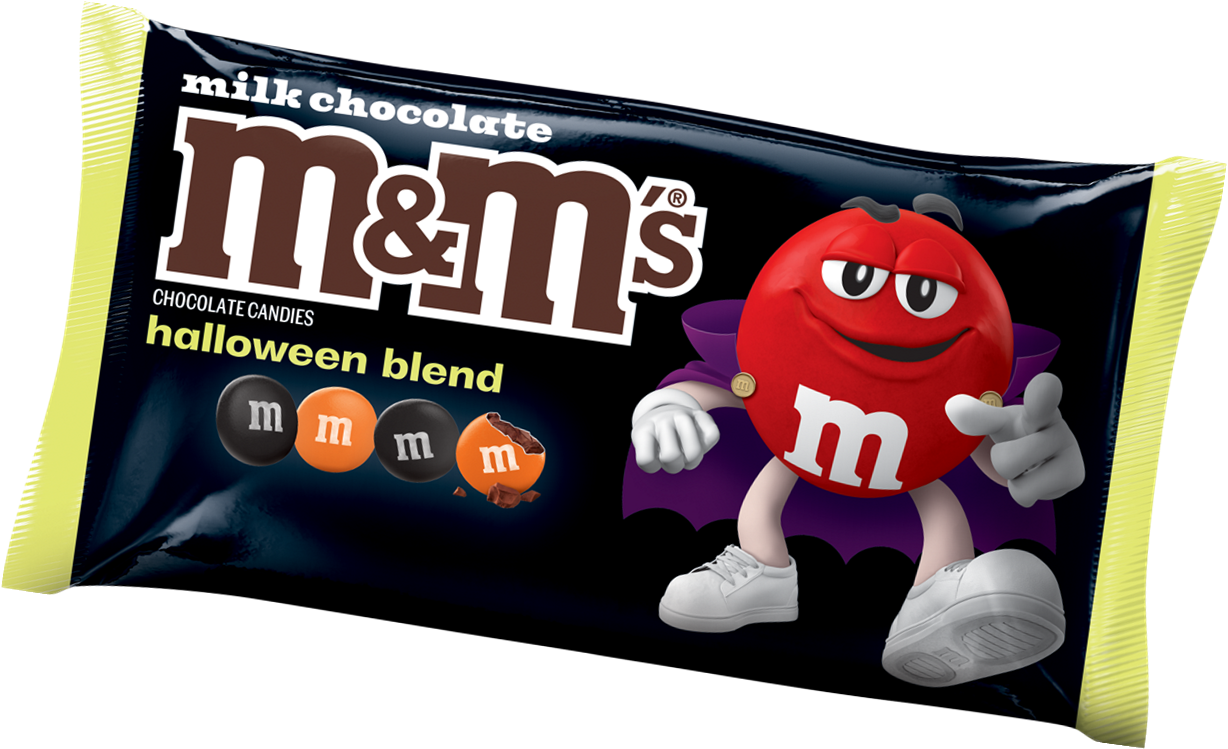
M&Ms and Skittles are perennial favorites and will continue to maintain their dominance, LeBel said. At the same time, Mars Wrigley, the world’s largest maker of candy and chocolate, is introducing a few new surprises.
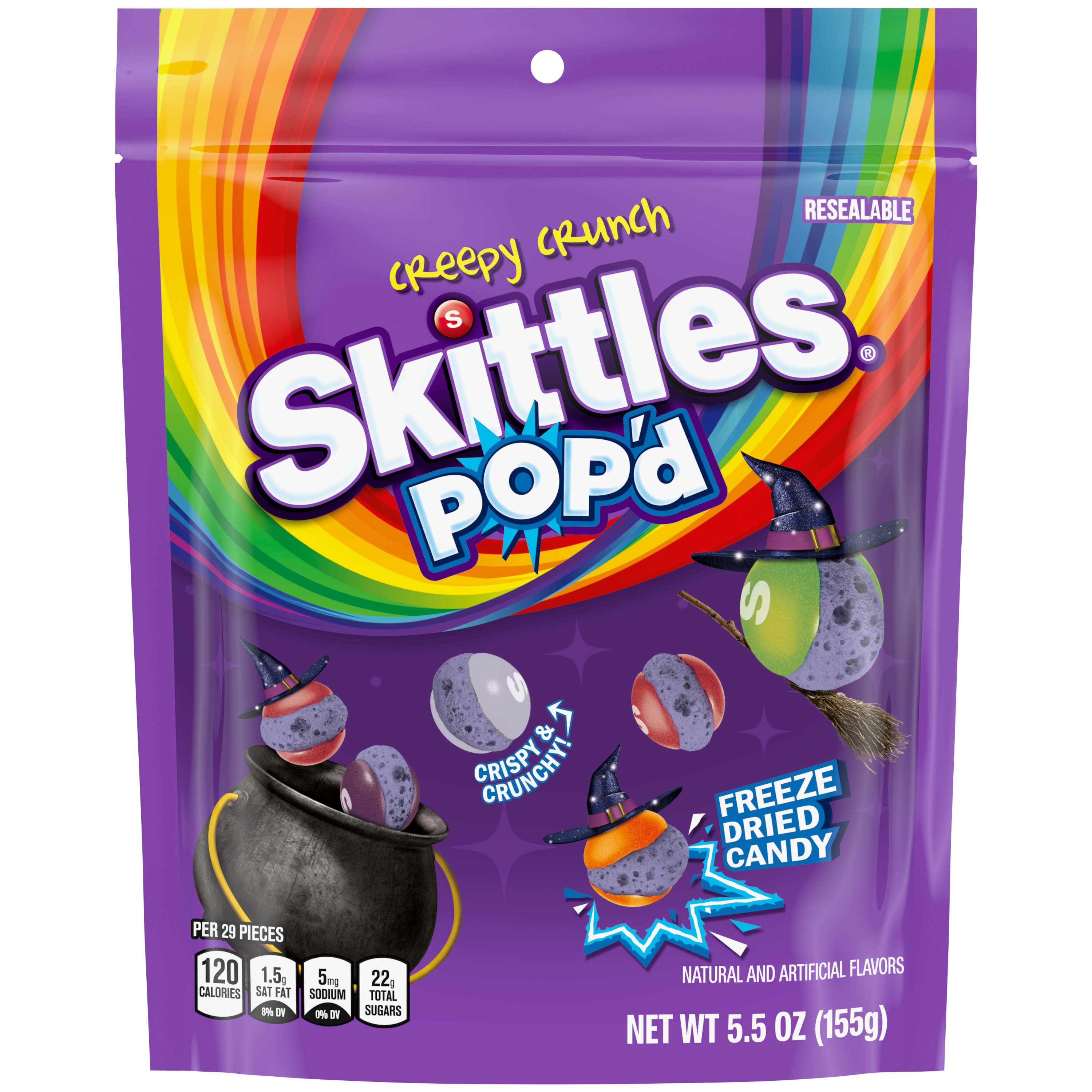
Among them is “Skittles Pop’d Creepy Crunch,” a freeze-dried version of Skittles with new flavors, such as blackberry and apple.
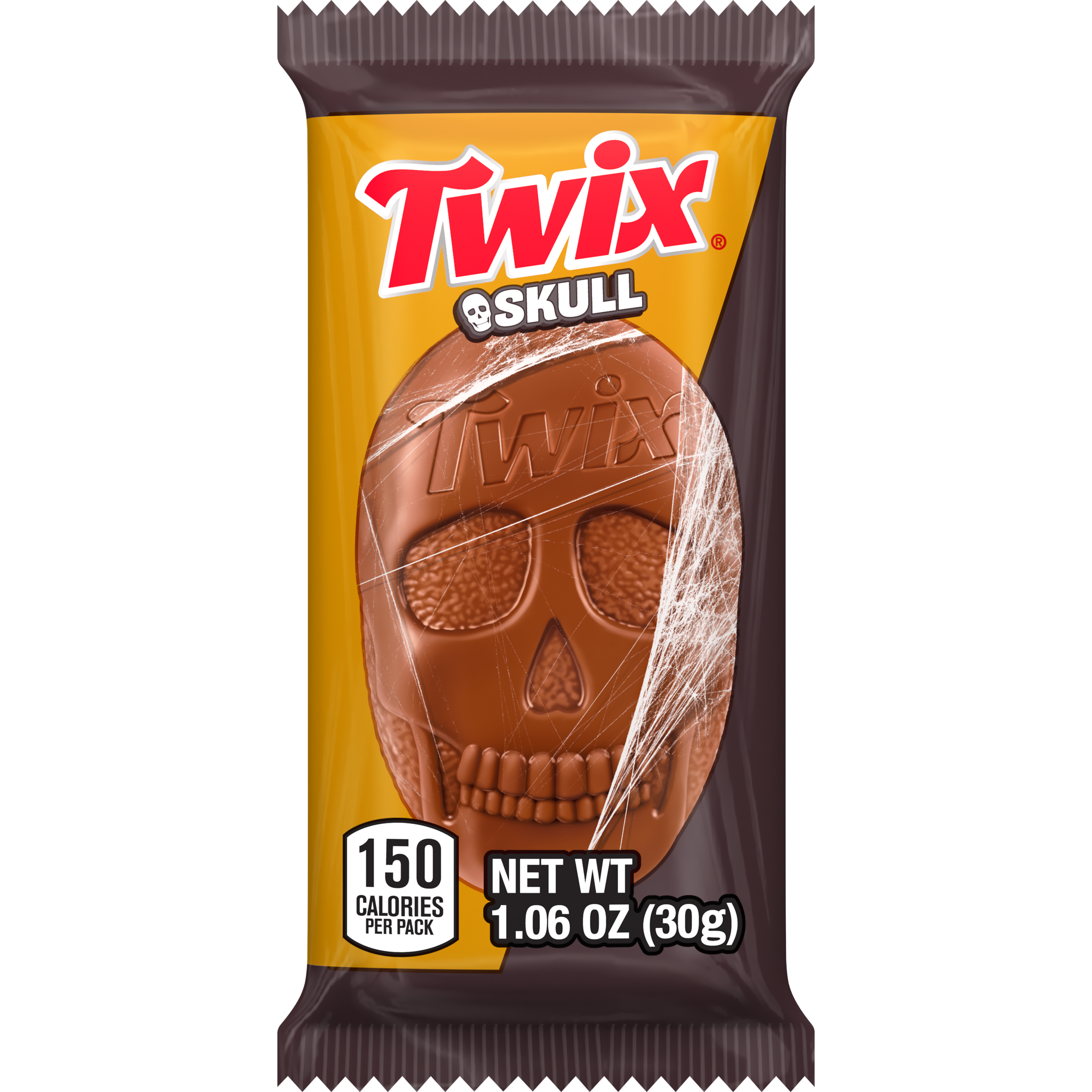
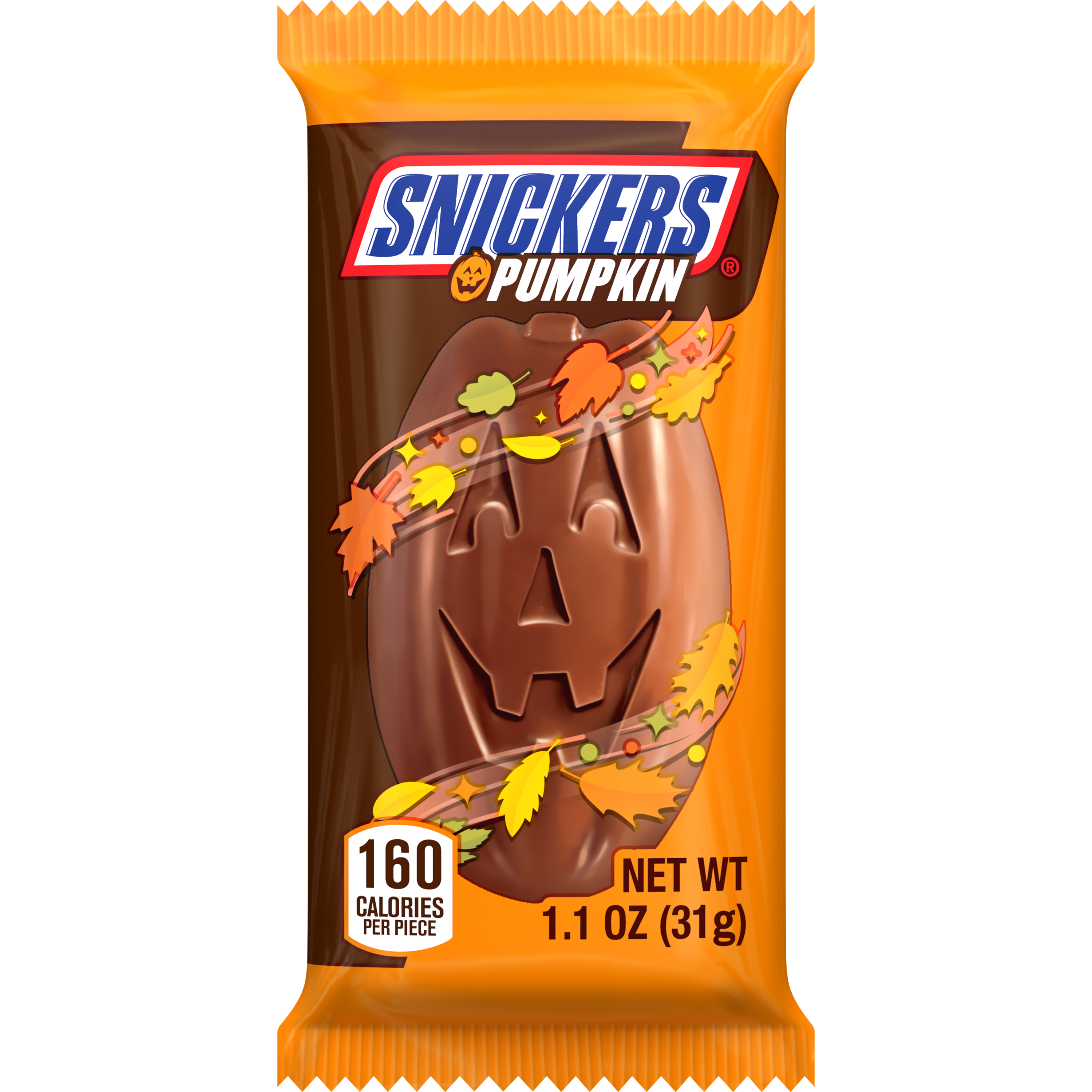
There’s also a new “Twix Skull,” a reimagined skull-shaped version of the classic Twix bar, and a new “Snickers Pumpkin,” which is essentially a Snickers bar shaped like a Halloween pumpkin.
Returning for the spooky season this year from Mars are “Twix and Snickers Ghoulish Green,” “Skittles Shriekers” and “M&M’s Milk Chocolate Pumpkin Pie.”
More stories:

