

She's one of only five foremost women beer experts in the world

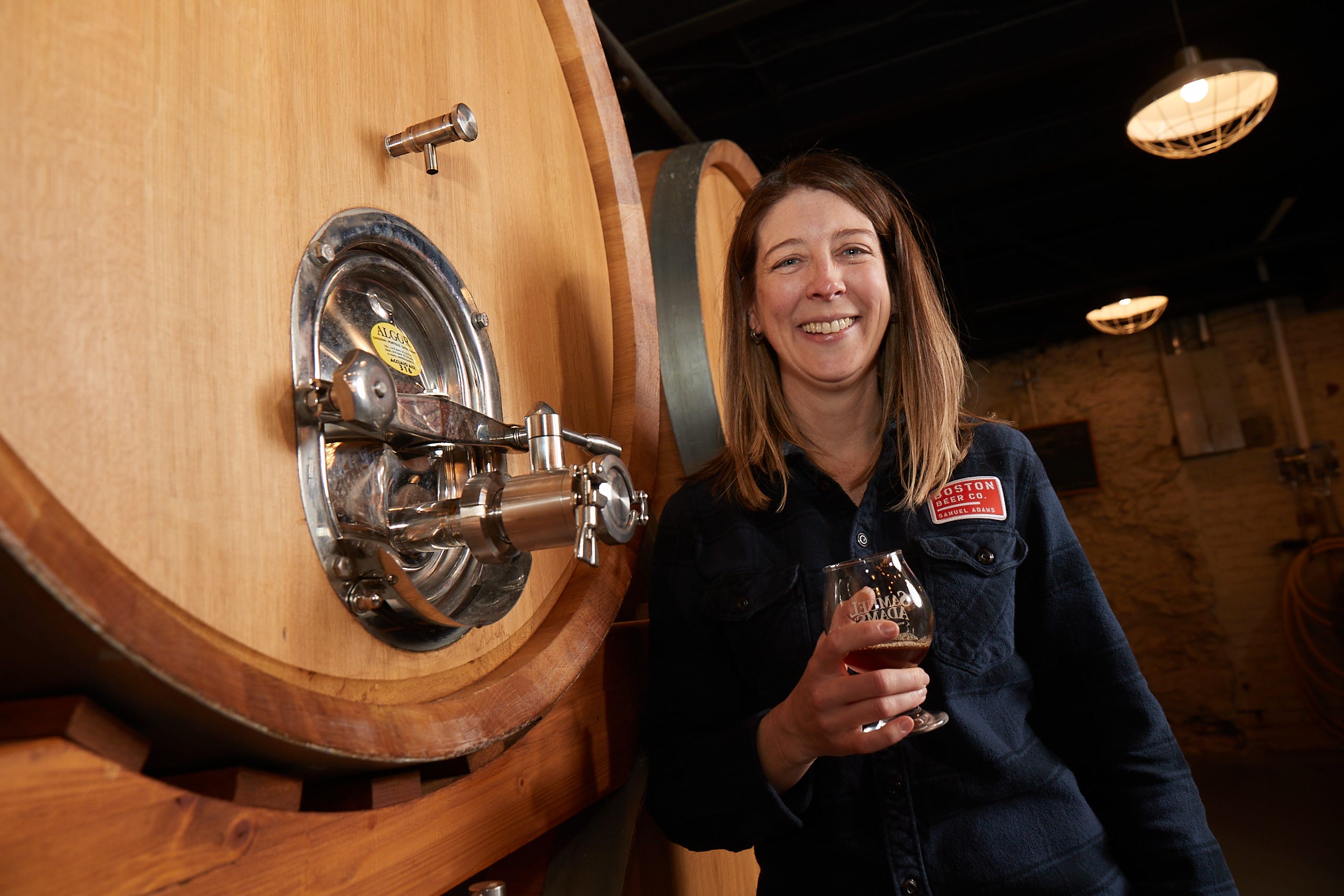
“She’s one of only five women ‘Master Cicerones’ in the world.”
That introduction clearly sets Shelley Smith in a league of her own, and it made me lean in just a little bit closer to get a better glimpse of one of the foremost experts in the global beer industry as she recently took the floor to talk about beer innovation and trends, and the ultimate beer-food pairings.
Smith and her team at Boston Beer Company, where she’s associate director of R&D brewing and operations, are the masterminds behind the recently launched Brewer Patriot Collection from Samuel Adams (Boston Beer Company’s flagship brand) that was inspired by the authentic beers of the country’s original brewers and released to mark America’s 250th anniversary.

“We actually did look at the historical recipes because we wanted to be authentic and accurate with how Colonial brewers would have brewed these back in the day,” Smith told me in an interview for Bagable.com. “We used that as a starting point of how we wanted to bring that idea to life again. So we did some digging and went back to the archives.”
Even after a thirteen-year run with the Boston Beer Company (which she joined after several years at Anheuser-Busch), Smith can’t disguise her excitement when she talks about her work after I asked her to walk me through a typical day on the job.
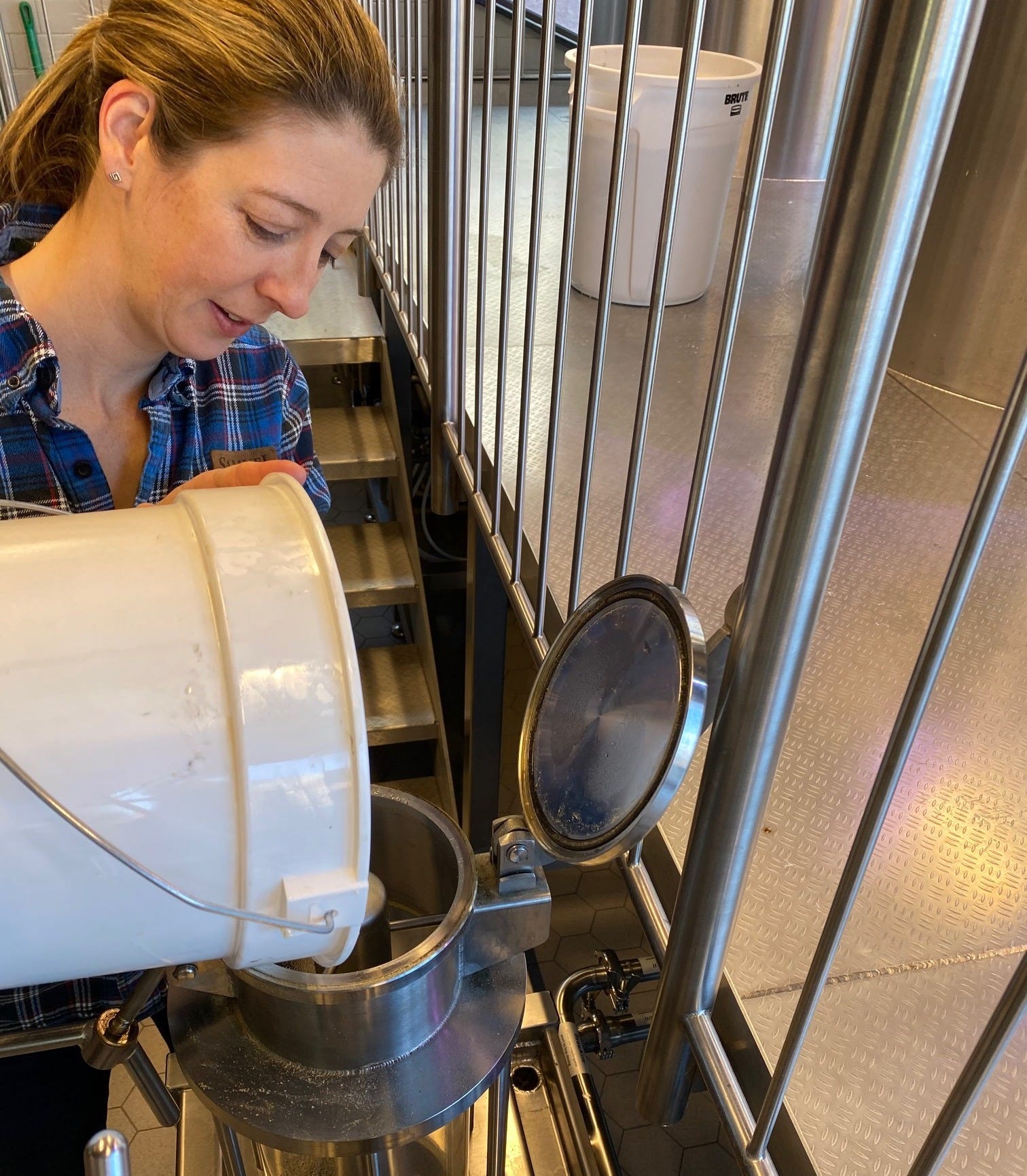
“I don’t know if there is a typical day,” she laughed. “The part about my job that I love the most is the ability to work with a bunch of different teams,” she said. “I work with the brewing team on recipe development, thinking about how we want to test different iterations of flavor, how we want to bring a flavor to life in terms of specific types of ingredients we’re exploring.”
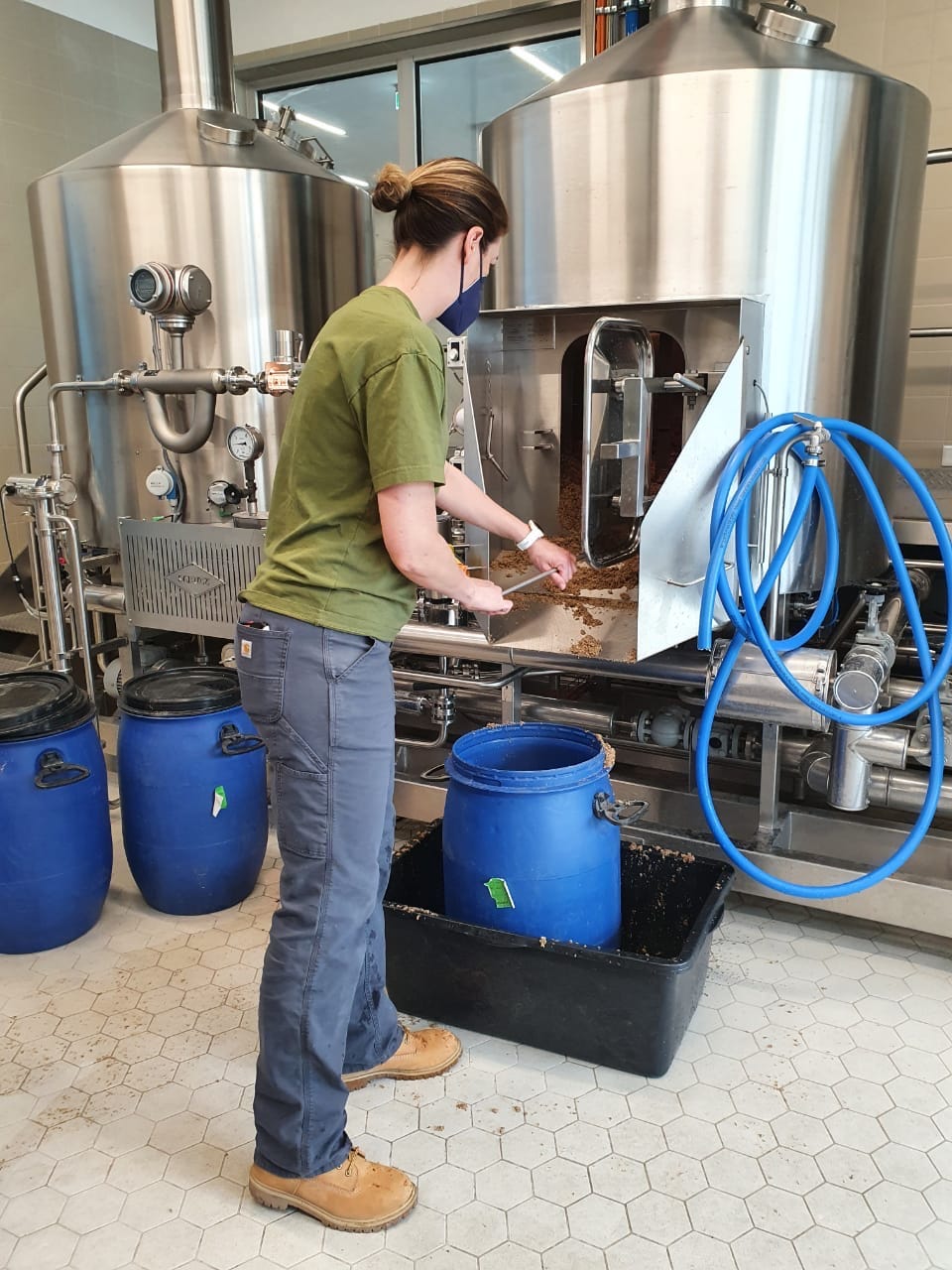
She gave an example: “If we want lemon in a beer, do we want to use lemon peel, lemon juice, lemon purée. We want to be really thoughtful about not only how we want to bring that lemon flavor but also how we want that flavor to show up in the beer and perceived from a sensory perspective. So we work with the procurement team on making sure we can procure the ingredients that we need.”
Once a new product is ready, the creative engine shifts into another gear. “We then work with the brand teams to understand what’s the story and the market opportunity and how do we want to position it,” she said.
Innovation is always brewing in the company’s two taprooms — one in Boston and the other is in Cincinnati.

She helped make K-beauty mainstream in the US. Olive Kim's next goal: K-Wellness in your coffee cup
“The taproom in Boston has 20 taps and we’ll have constant evolution and rotation through recipes so we can see what pops, what does really well, what consumers resonate with,” she said. “The information can help guide us towards what that next beer release is going to be.”
For example, one of the new beers in the recently-launched limited-edition Star Spangled Variety Pack for the summer includes Samuel Adams “American Light.”
“It’s a beer that was started at our Cincinnati taproom and it did really well,” she said. “We kept brewing it, it kept selling, we kept brewing more. It took that spark of an idea, we developed it more, made some tweaks and then released it on a national scale.”
Sometimes the experimentation can get a little bit wacky, too. “We’ve brewed with some wild ingredients like kelp. We’ve also created some pretty intensely smoky beers that are fun and innovative but probably have less mass appeal,” Smith said. “For us, it’s about balancing innovation with approachability so that we’re creating beer that a consumer is going to seek out.”
Chemical engineering led to beer making
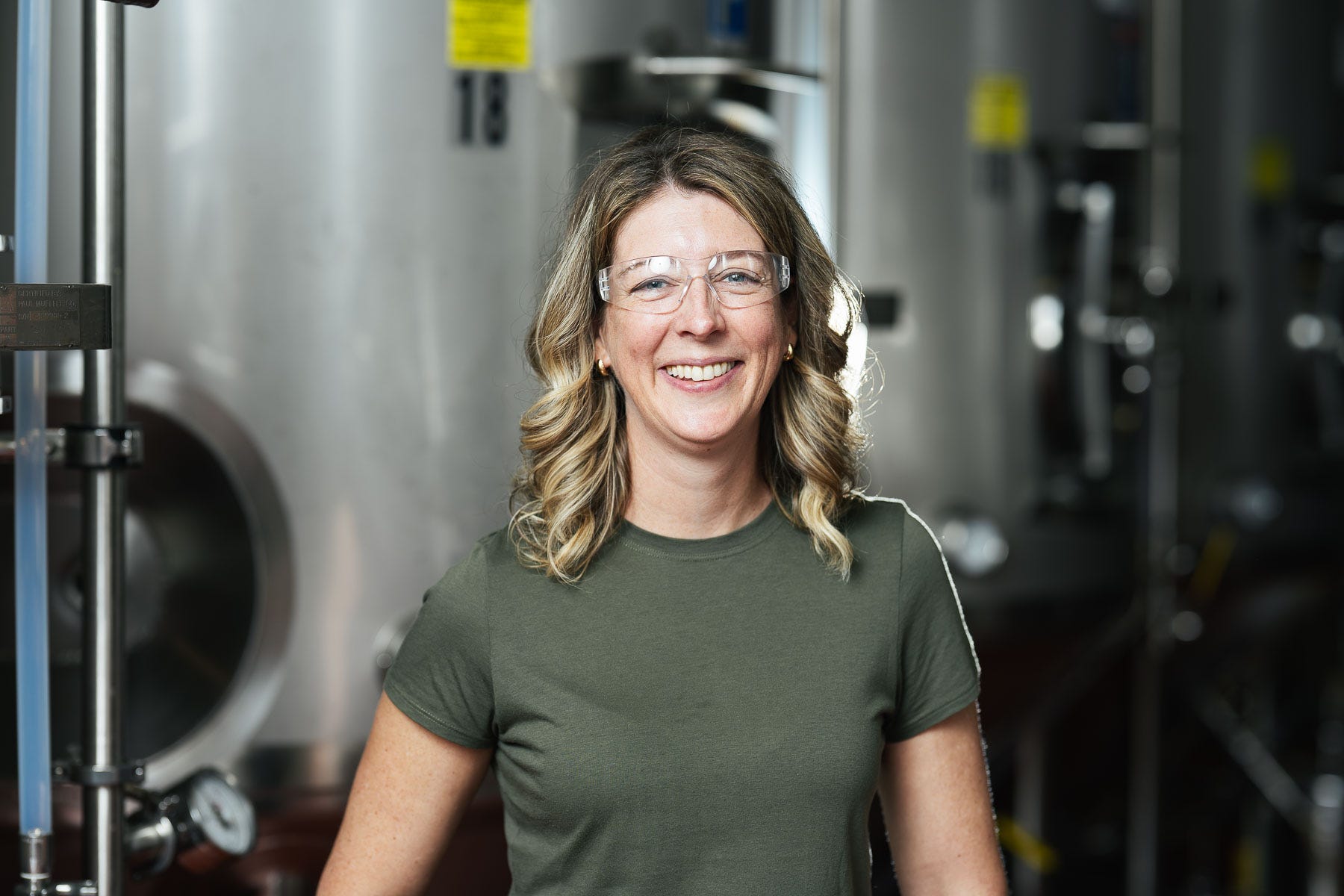
As Smith was finishing up her degree in chemical engineering at Iowa State University, she attended a career fair where she learned that her skillset was valuable in beer production.
“When I learned that I could make beer for a living, I thought that sounded fantastic. Let’s do that,” she said. It was a complete pivot from what she thought she would pursue after graduation.
“I was actually interested in medicine initially, but I was also really interested in food production because of its mix of creativity and science. You get to use both sides of your brain,” Smith said. “But I also love going to restaurants and trying new foods.”

Today, not only is Smith a beer connoisseur, she is one of only five women to have earned a prestigious Master Cicerone title. This places her among a small and select group of beer experts in the world who have reached the highest echelon of industry knowledge and skill.
“To reach this ultimate certification is very intense. It is the fourth and final level of the Cicerone Certification Program,” she said. “The exam is two days, about nine hours each, three hours of essay writing and multiple oral exams with industry experts. You do this all over again on the second day. It was something that was very important to me. I love beer, I love to learn about it, and this was a challenge I set up for myself and was determined to meet it. And I got to try a lot of beer along the way.”
At Boston Beer Company, Smith credits founder Jim Koch for sparking the American craft beer movement with Samuel Adams Boston Lager.
“He’s someone who pushes us to think creatively and differently, and push the boundaries,” she said.
That type of innovative spirit is crucial to keep up to speed with the evolving tastes and preferences of younger consumers, including a preference lately for fruit-forward beers. “It’s why we put Blueberry Lager in the new Star Spangled Variety pack,” Smith said.
“I see this huge bifurcation of trends with younger consumers. On the one hand is the low alcohol or non-alcoholic preference trend, which is definitely real,” she said. “It’s why we’ve also developed drinks that meet the need for non-alcoholic beer but still wanting it to taste like beer. That segment is seeing a lot of growth.”
At the same time, she said the market is also seeing demand pick up for alcoholic drinks “these 9% plus (ABV) options, all format sizes are also really growing,” she said. “We see these extremes of both sides growing.”
“I don’t believe the younger consumer is fully moving away from alcohol but they are focused on being more health aware and more thoughtful and mindful about what they’re consuming, and brands and stories behind them,” she said.
More stories:


