

Not every Gen Z couple is chasing a Pinterest-perfect wedding. Some are dropping trends for tradition and flower walls for compost stations

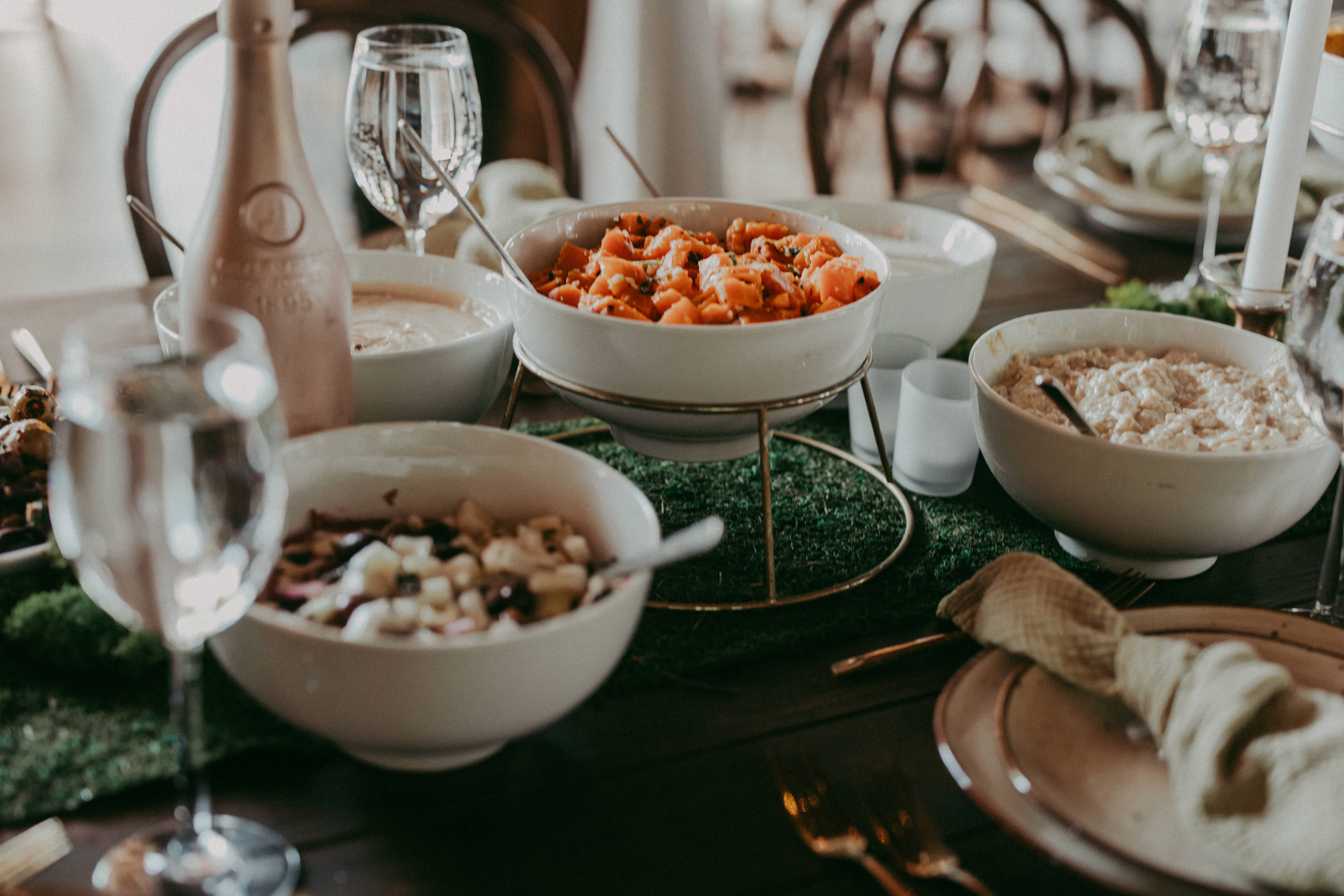
Mary Luz Rodriguez loves to host and celebrate weddings. She experiences a hundred or more of them every year at Living Sculpture Sanctuary, an events venue deeply entrenched in nature that she owns with her husband.
Rodriguez is increasingly fascinated by what she’s observed lately of Gen Z couples’ vision for their big day. She describes it as a psychological shift in how GenZers, especially, are moving away from a “plastic perfect” social media-tailored approach to mark important life moments.
Despite being the first true digital natives, many of them, when it comes to their nuptials, are seeking authentically analog experiences that aren’t AI suggested or popular Pinterest Idea Pins but rooted in their own personal lived experiences, beliefs, cultures and traditions.
Young couples want their wedding to be meaningful in a way that doesn’t blindly follow traditional guidelines or viral social media trends, Rodriguez said in an interview with Bagable.com.
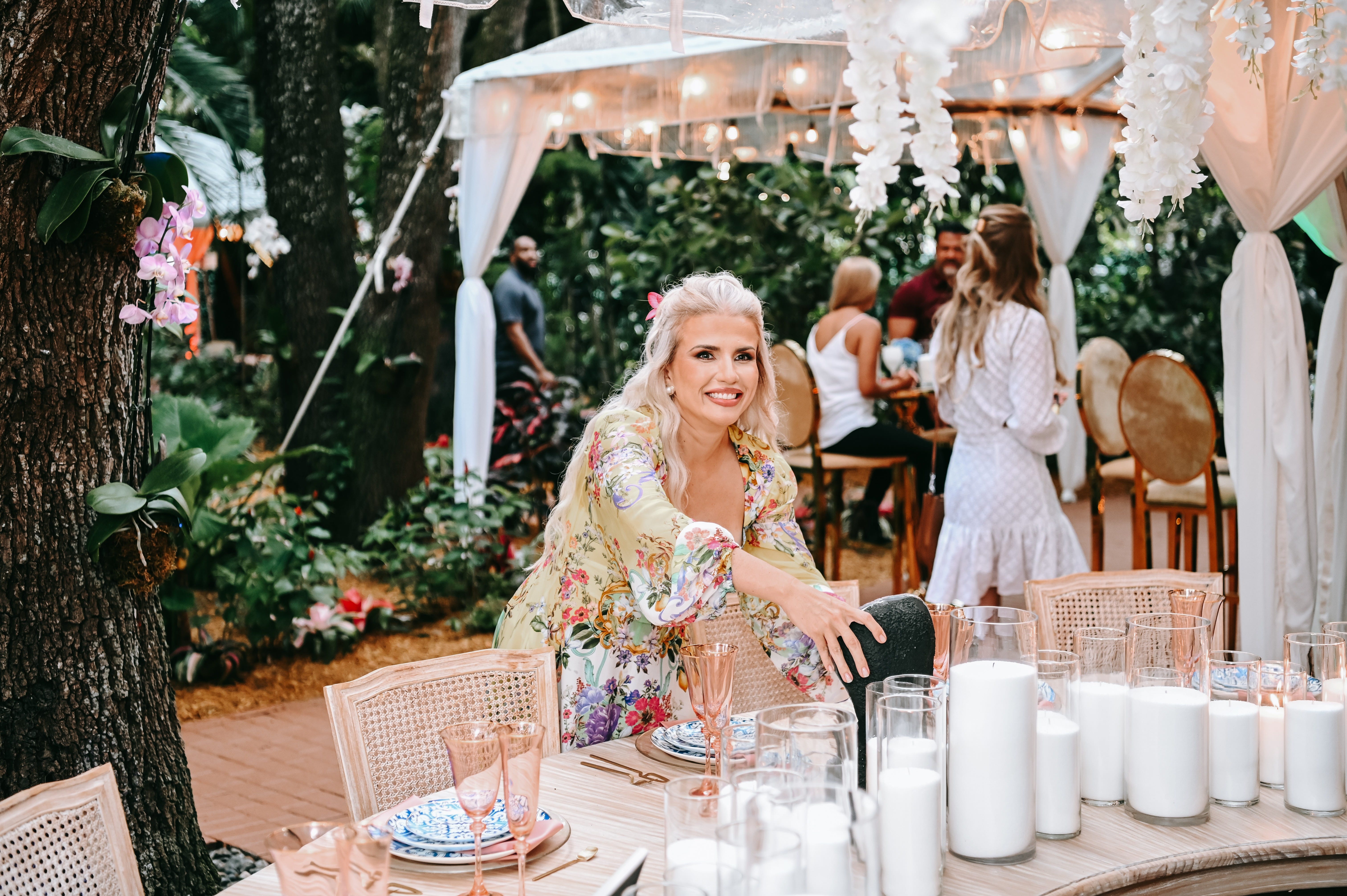
What’s become popular: smaller-sized, intimate gatherings. The 300-person guest list is out the window and Gen Z and younger millennials couples are sticking to 100 or fewer guests, by choice, and not because of budget reasons.
“If you have more than 150 or 200 people, the bride and groom sometimes don’t even get a chance to stop by and say hello to everyone,” Rodriguez said. “I tell my brides, you close your eyes and open them again and people are already leaving because a wedding goes by so quickly.“
Prioritizing sustainability - and not that Insta-ready extravagant flower wall - is the new flex. Rodriguez said young couples are adopting environmentally-friendly measures, such as composting leftover wedding food and incorporating nature into the wedding décor.
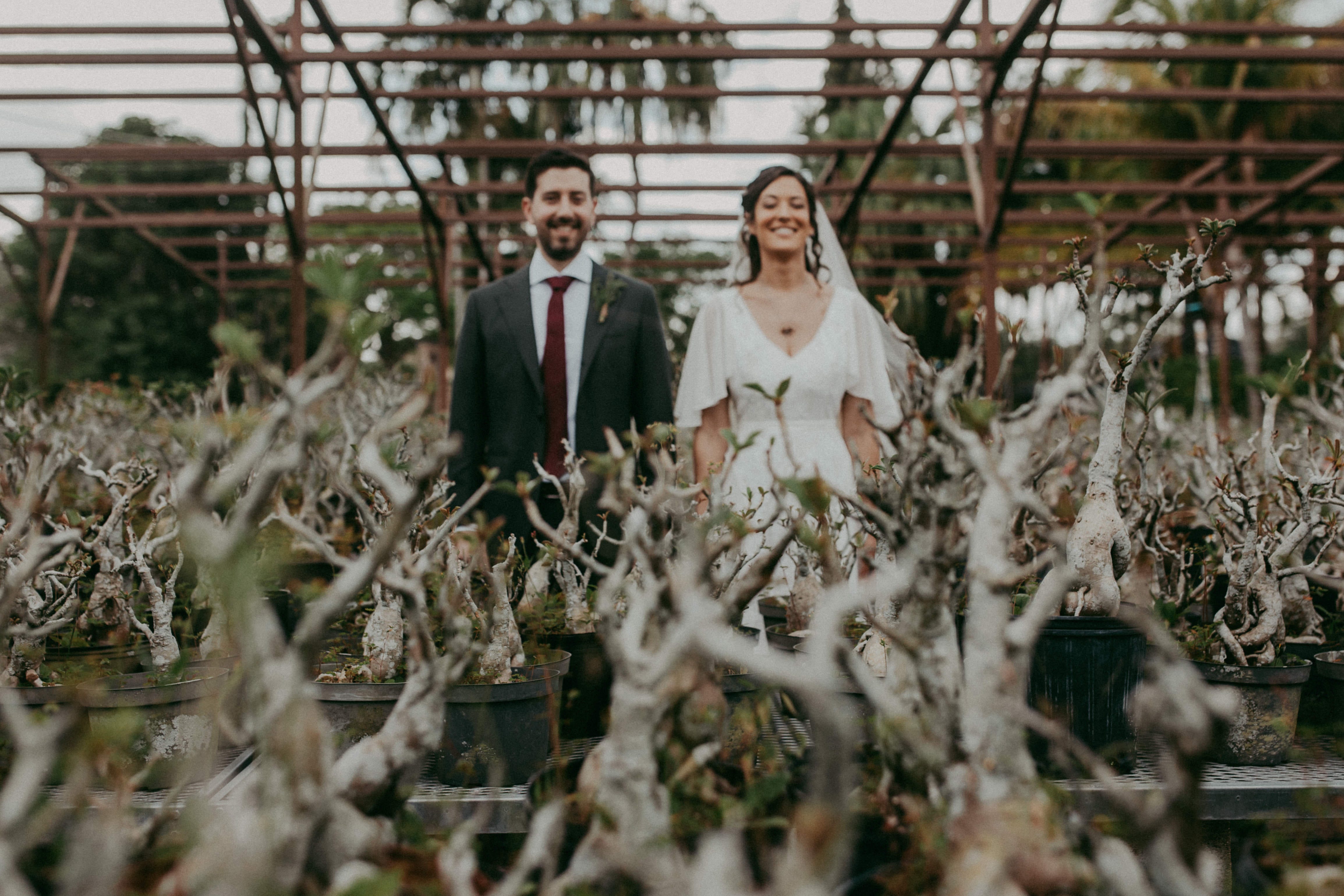
“We’ve had some couples who don’t want any plastic, or even glitter, at their wedding,” she said. Instead, they ask for natural materials such as bamboo. “One bride didn’t want any flowers at all but a lot of greenery.”
Composting is a recurring request. “We work with some great vendors who come after the wedding is over and gather all of the food that can be composted,” Rodriguez said. Some couples even use the compost to grow their first garden together.
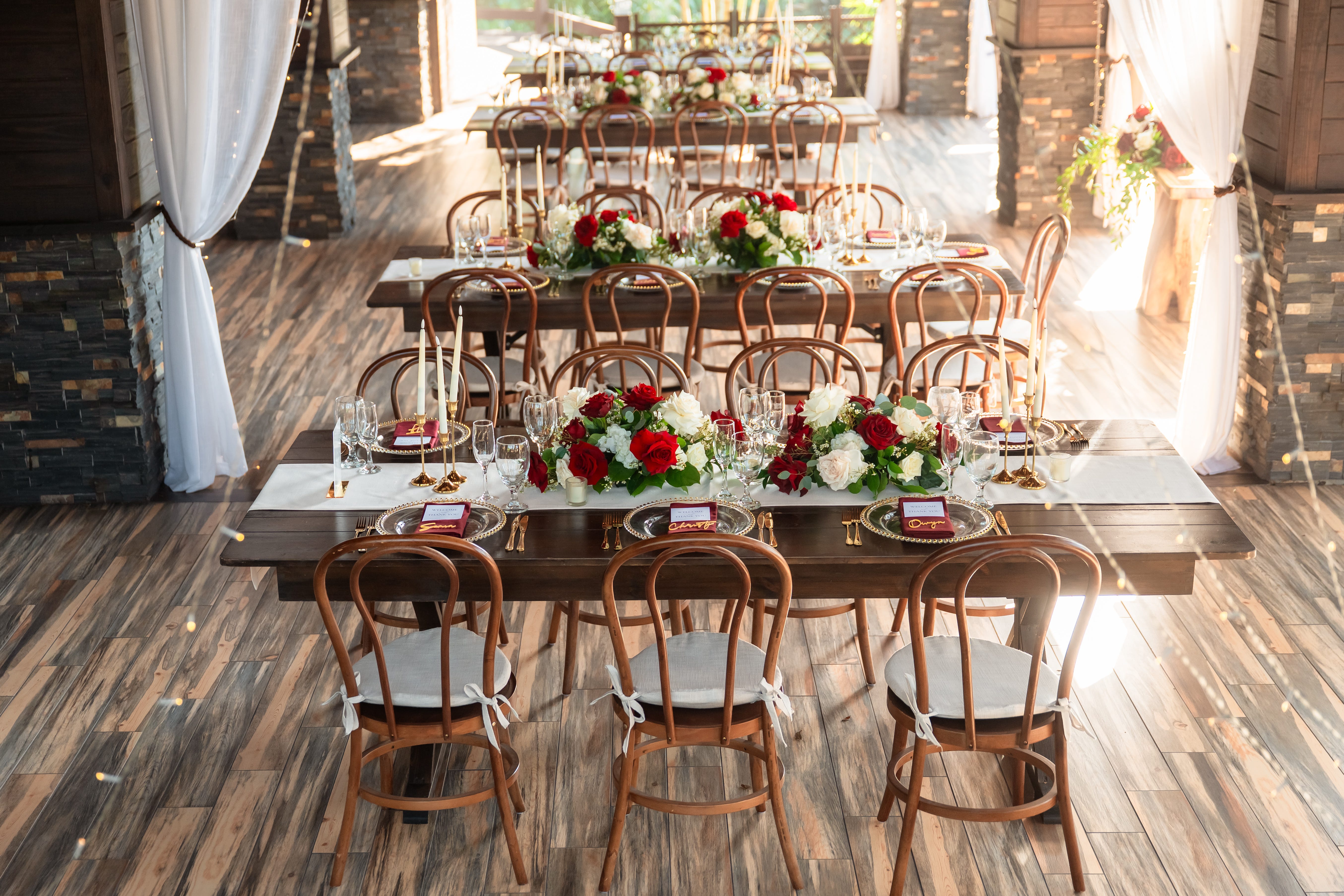
Some couple are incorporating such ancient rituals as Temazcal ceremonies and amethyst blessings to add unique dimensions to their wedding celebration and experience.

Also, Rodriguez has noticed an uptick in civil weddings ahead of religious ceremonies. Previously, fewer than 10% of couples who booked their weddings with her used to arrive already legally married. That number is climbing quickly, she said.
“Some young couples are in graduate school, or buying a house together first, or expecting a baby. They’re thinking, what’s the rush. Let’s do it right because weddings are expensive,” said Rodriguez.
“A labor of love”
The Living Sculpture Sanctuary, located in Davie, Florida (less than an hour away from Miami and from Palm Beach), sits on more than five acres of land surrounded by lush greenery, 100-year-old oak trees, waterfalls, a Zen rock garden, a plant nursery and a Bonsai center.
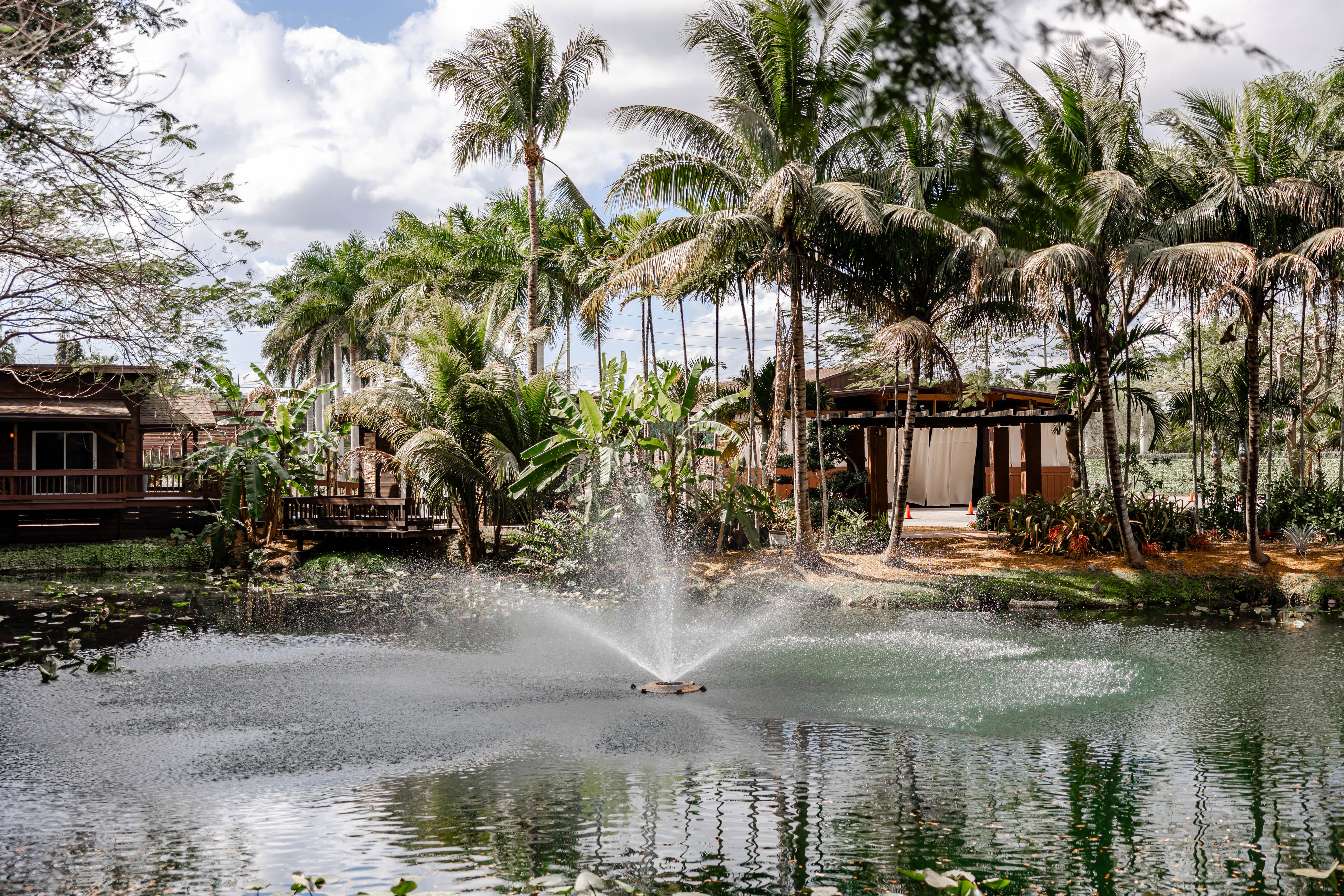
It’s also where Rodriguez, who is both an environmental attorney and an entrepreneur, and her husband Robert J. McKee, got married in 2015. But the area back then was far from the idyllic setting it is today.
“There was absolutely nothing here when I first saw it almost 14 years ago. There were no structures, not even a bathroom,” she said. But there was a Bonsai nursery that Robert tended to.
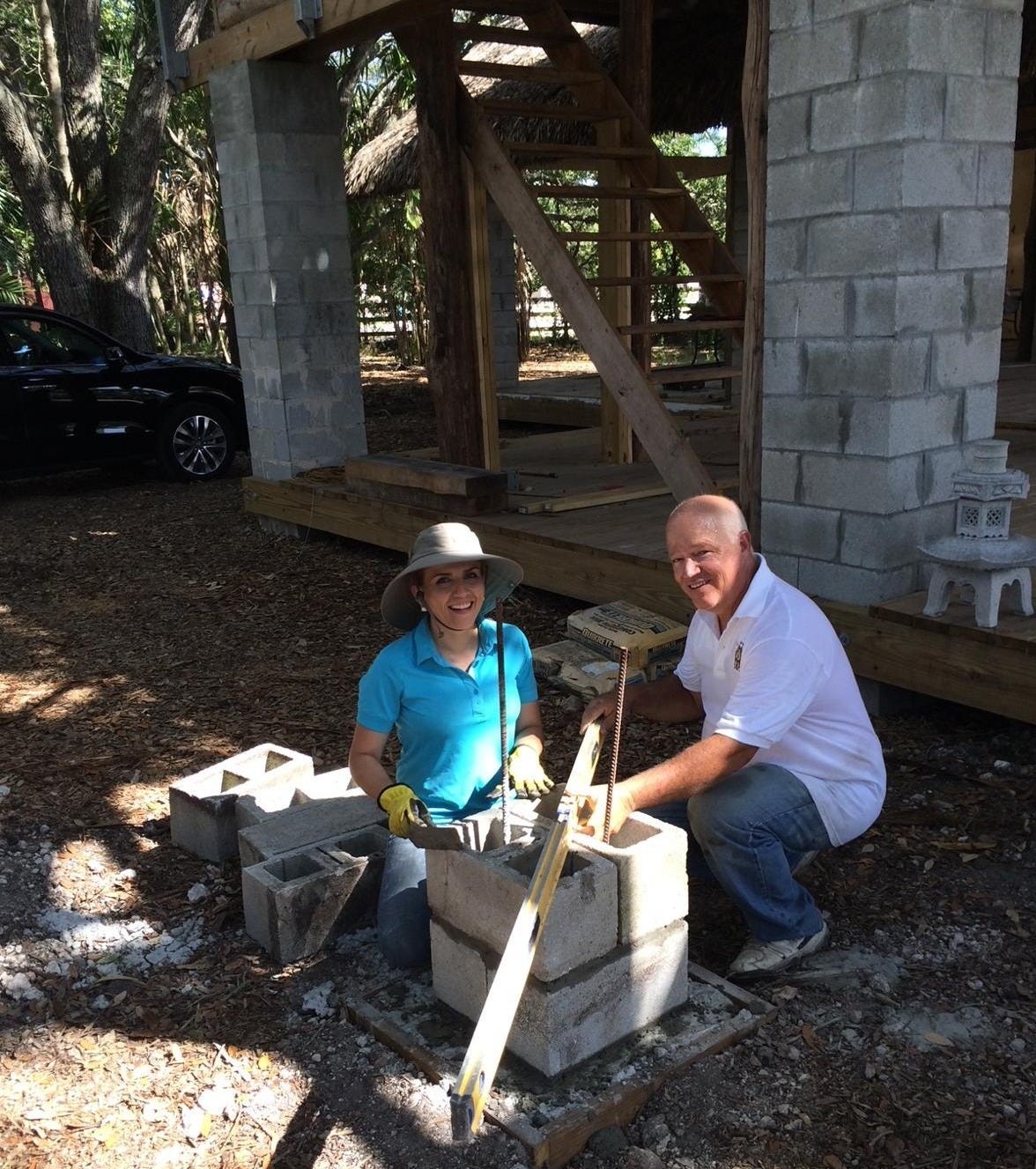
Friends and neighbors eventually started asking the couple if they would ever consider renting the space for weddings and other events. “It wasn’t the plan originally. We just wanted to get married here ourselves,” Rodriguez said, who lives a few minutes away from the sanctuary.
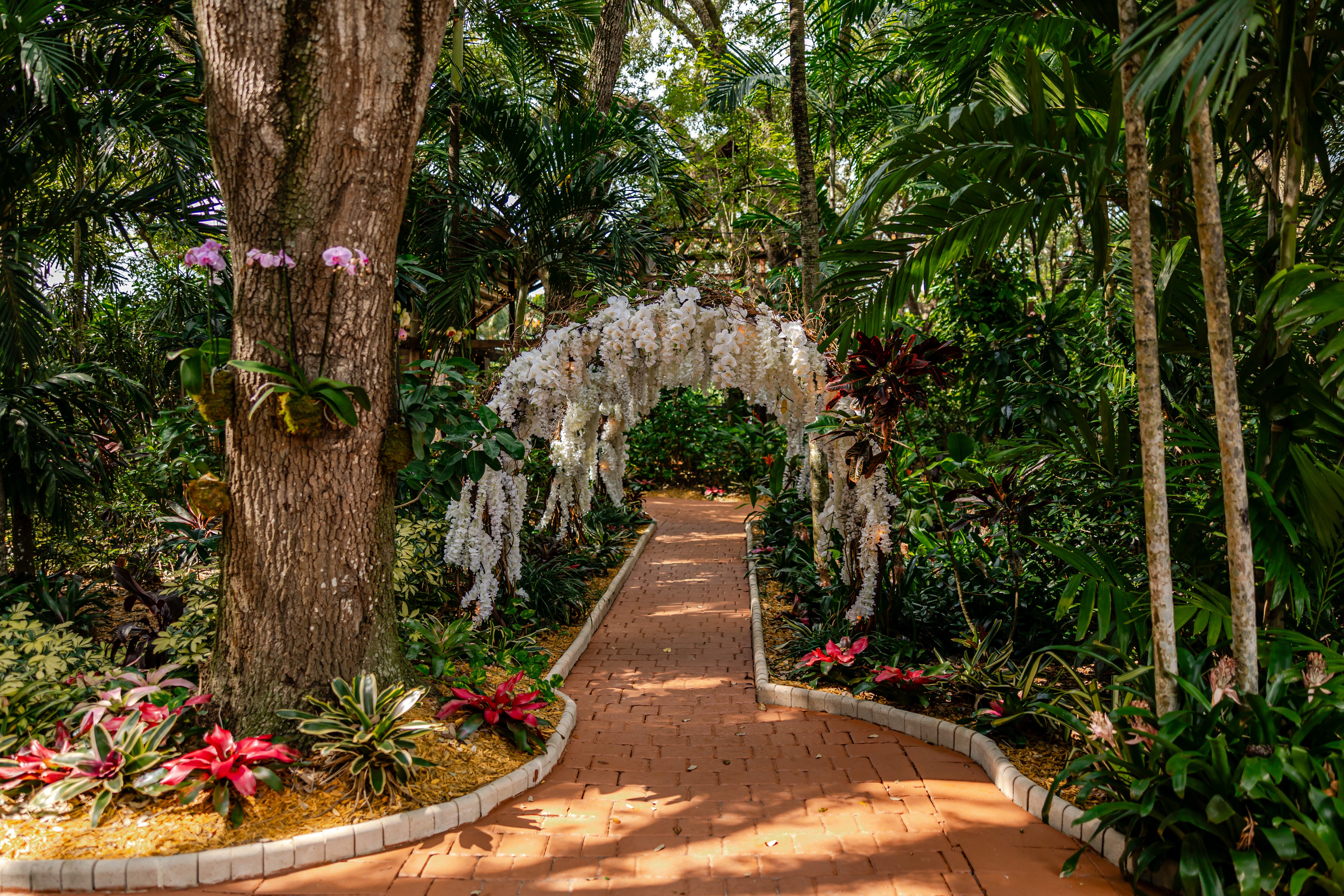
“We now also offer the space for yoga classes, pilates classes, nature-related classes like sound baths and meditation,” she said. “Next week on Earth Day, on April 22, we’re having special cultural music events at the sanctuary.”
Rodriguez said she’s “always felt at home and safe with Mother Nature. “It’s why I decided to practice environmental law,” she said.
She describes the sanctuary as a “labor of love.” “It’s a special place for me, with the canopy of majestic Florida oak trees, the water and the birds. It’s my healing place.”
More stories:


