


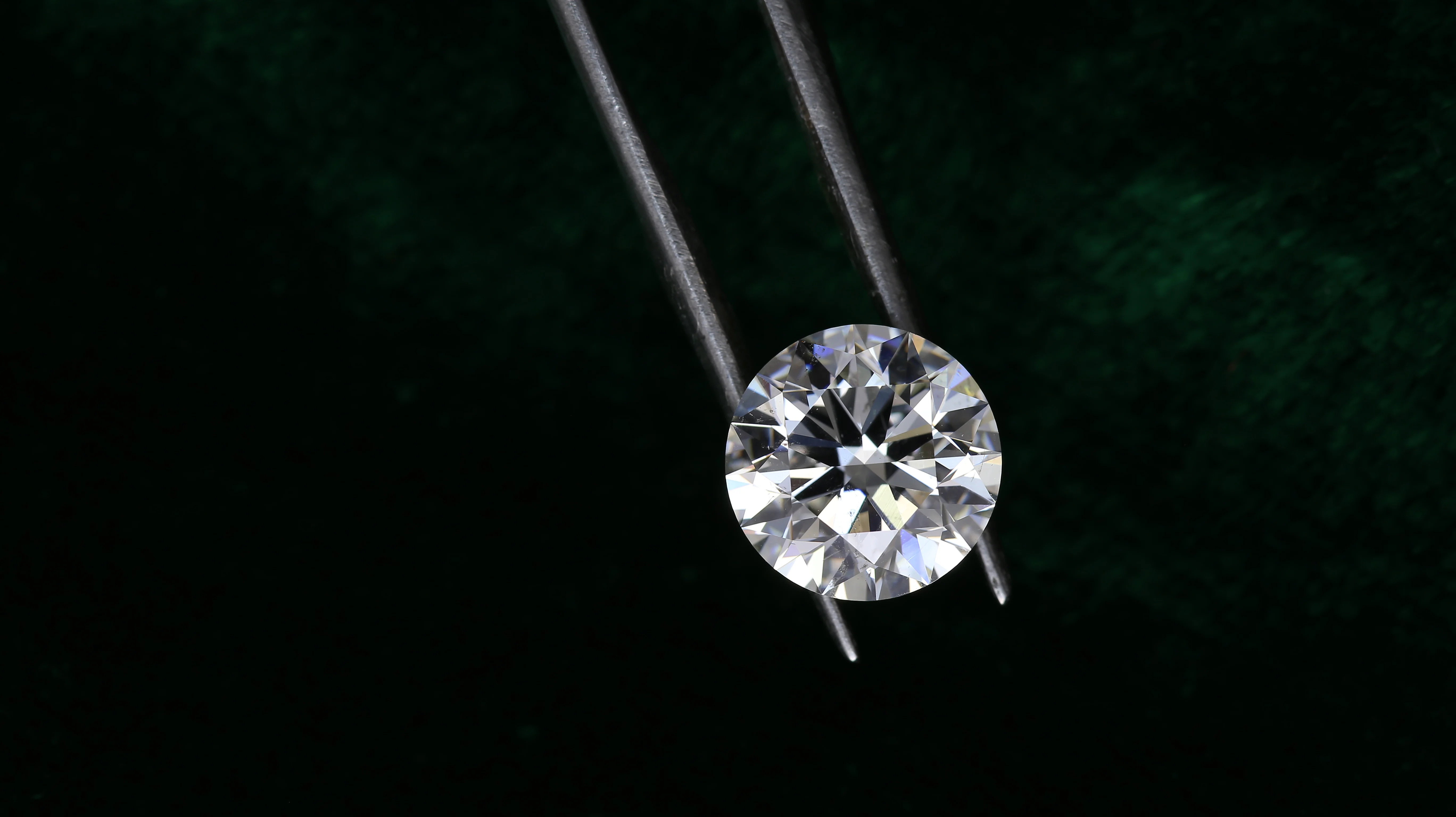
Lab-grown diamonds have hit a new level of market dominance. For two months this year, India, a global diamonds powerhouse for polished diamonds, exported more lab-grown diamonds than natural ones.
“India’s diamonds industry has crossed a major threshold,“ Edahn Golan, jewelry industry analyst and founder of Edahn Golan Diamond Research & Data, told Bagable.com.
According to Golan, the Gem & Jewelry Export Promotion Council of India released recent data that showed India’s gross loose lab-grown diamond exports totaled 1.3 million carats in March and 1.4 million carats in April of this year. That compares with gross volume of natural diamond exports from India of 1.2 million carats in March and 1.3 million carats in April of 2026.

By volume, 51% of exported diamonds in March from India (which accounts for as much as 90% of all diamond cutting and polishing globally) were lab-grown, he said, while in April the share stood at 50.4%.
Golan, in a research note, called it a “major shift, arguably a tectonic one” for the diamonds industry as consumer demand (especially among Millennials and Gen Zers) for lab-grown diamonds continues to grow in the US and elsewhere.
“It’s not surprising that this has happened,” Golan told Bagable.com. “One, India is a major diamonds polishing center and it also makes a lot of lab-grown diamonds. It’s a top two producer of lab diamonds in the world after China. At the same time, India’s imports of rough lab-grown diamonds, mainly from China and Dubai, are also rising.”
Second, it’s a sign of where diamonds demand is going, primarily in the US because the US is the biggest consumer of diamond jewelry and accounts for more than 50% of global retail demand for the gemstone, he said.

“The diamond industry is going through a major change. In 2025, 75% of all lab diamonds, whether they are loose diamonds or set in jewelry, were priced under $2,500. The main driver of growth of lab diamonds is engagement rings.”
Last year, almost 54% of all engagement rings sold in the US contained lab diamonds that were most likely polished in India, Golan said.
Gen Zers are actively choosing man-made diamonds. “The average marriage age in the US is 28/29 years old and these are older Gen Z,” he said. “They’re looking more at price, not necessarily value. Natural diamonds of a certain quality and size are expensive. Younger consumers may aspire to own them but perhaps can’t afford to. Instead, they look for a version of a natural diamond they really like that is also low cost. Lab diamonds give them this option.”
For instance, the average retail price so far this year of a loose three-carat lab diamond is about $3,000. A similar natural diamond of that weight would cost about $35,000, Golan said.
Despite this shifting sentiment that favors lab diamonds among younger consumers, Golan said India’s lab diamond exports outpacing natural diamonds “does not signal the demise of natural diamonds.”

She helped make K-beauty mainstream in the US. Olive Kim's next goal: K-Wellness in your coffee cup
The two products may be chemically similar, but economically they operate in entirely different orbits in terms of their value disparity, he said.
“I think about the role that an engagement ring has played historically. Pre World War II, it was about stored value. In Asia, fine jewelry today is still bought on the basis of weight because in tough times, you can sell it to get some financial relief,” he said. “Engagement rings represented that promise, that if anything dire should happen, the ring was something that could be sold to quickly provide money. The question I keep asking myself is if this preference for lab diamonds is sustainable in the long term.”
More stories:


